
How to Measure DEI Training ROI: A Complete Guide for Organizations That Want Real Results
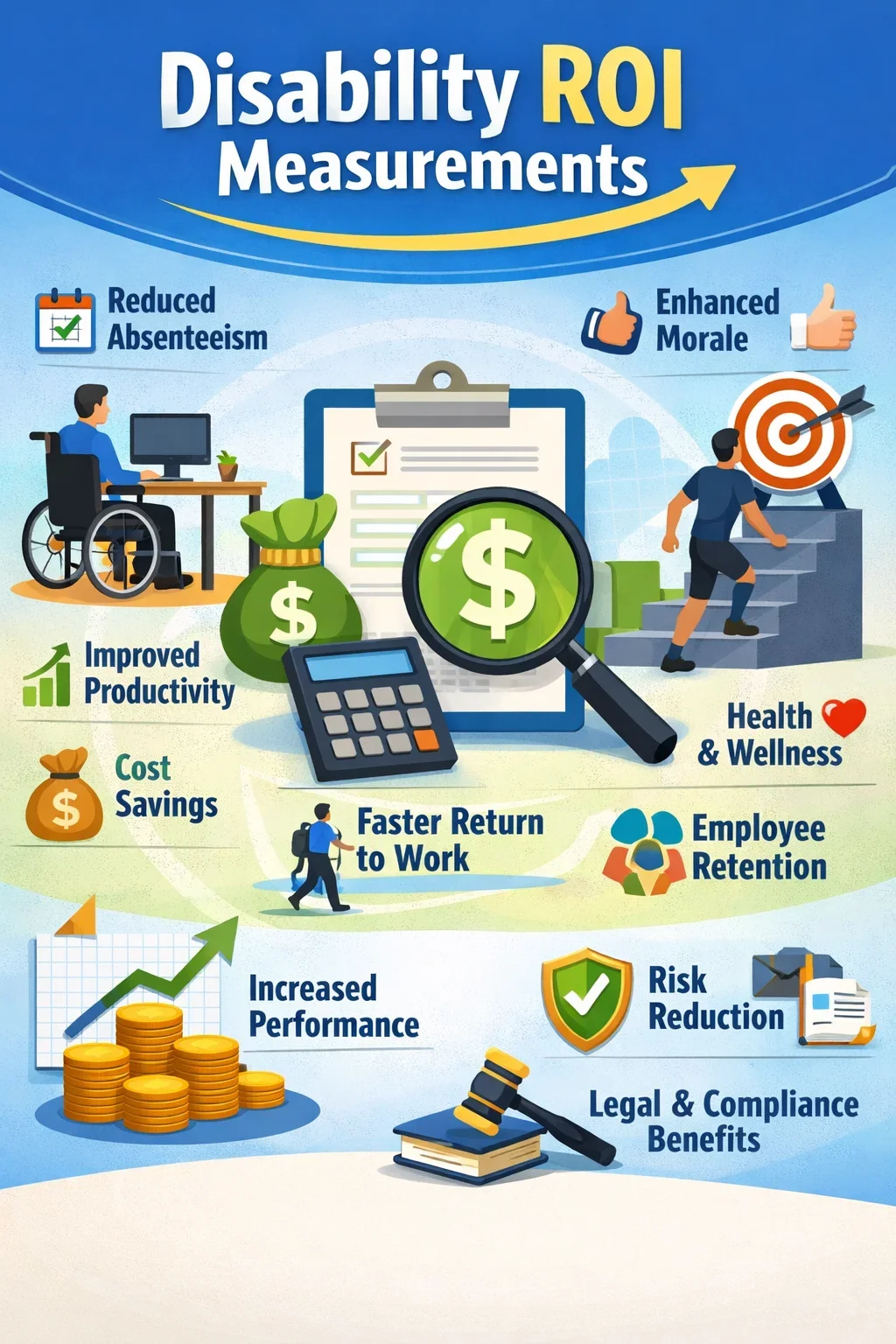
Measuring DEI training ROI means tracking both quantifiable outcomes — like retention rates and promotion equity — and qualitative shifts in workplace culture and belonging. Organizations that treat DEI training ROI as a data discipline, not an afterthought, consistently build stronger cases for sustained investment. Start by establishing baseline metrics before your first training session launches.
DEI training is not a checkbox. For organizations committed to building genuinely inclusive workplaces, it is a strategic investment — one that deserves the same rigorous return-on-investment analysis applied to any other organizational initiative. The challenge is that many organizations conduct training, collect end-of-session survey scores, and call it a day. That approach does not measure impact. It measures satisfaction. And those are two very different things.
This guide breaks down exactly how to measure DEI training ROI in a way that is honest, meaningful, and useful — for HR teams trying to build the business case, for leaders who need to justify budget, and for practitioners who want to know whether their work is actually moving the needle.
If you are still in the planning phase, start with Kintsugi Consulting's DEI Training Implementation Complete Strategy to understand how evaluation fits within a broader rollout framework.
Why Most Organizations Measure DEI Training ROI Wrong
The most common mistake is treating DEI training like a one-time event rather than a longitudinal process. You cannot capture the return on a cultural shift in a 48-hour window. And yet, that is precisely the measurement window most organizations use.
The second mistake is relying exclusively on self-reported data. Post-training surveys have their place, but they capture how people felt after a session — not whether they changed how they behaved in the weeks and months that followed. Feeling inspired during a workshop is not the same as interrupting a microaggression in a real meeting six weeks later.
The third mistake is failing to establish baselines before training begins. Without a clear picture of where your organization stood before the training, you cannot credibly claim the training caused any improvement. You might have improved — but you cannot prove it.
For a deeper look at which indicators actually matter beyond attendance, explore DEI Training Metrics That Matter: Beyond Attendance Tracking.
Setting Up for Measurement Success: What to Do Before Training Begins
Effective ROI measurement starts well before anyone enters a training room or virtual session. The groundwork laid during the planning phase will determine the quality of data available when evaluation time arrives.
Conduct a DEI Training Needs Assessment
Before designing a training program, it is essential to understand what specific problems the training is meant to solve. A thorough needs assessment captures baseline data on employee attitudes, organizational culture, reporting patterns, representation across levels, and existing inclusion gaps. This data serves dual purposes: it informs training design and it creates the baseline against which post-training outcomes will be compared.
Kintsugi Consulting's guide on DEI Training Needs Assessment: Identifying Your Organization's Gaps walks through how to conduct this process thoroughly and equitably.
Define Success Before You Start
One of the clearest indicators that an organization is serious about DEI training ROI is the presence of predefined success criteria. What does a successful outcome actually look like for your organization in 6 months? In 12? Does success mean fewer formal complaints? More diverse hiring pools? Improved scores on belonging surveys? Better promotion rates for historically underrepresented employees?
These outcomes need to be documented at the outset — not reverse-engineered after the fact.
Get Leadership Aligned on Measurement Expectations
Leadership support is not just necessary for implementing DEI training. It is essential for sustaining the data collection infrastructure needed to measure ROI over time. If executives do not see measurement as a priority, HR teams will struggle to secure the access to data, the staff time, or the budget needed to track outcomes meaningfully.
If building that leadership buy-in is still a work in progress, Getting Leadership Buy-In for DEI Training: Data-Driven Persuasion Strategies offers a practical framework for making the case.
The Kirkpatrick Model: A Proven Framework for Training Evaluation
The Kirkpatrick Model is the most widely used framework for evaluating training effectiveness, and it maps well onto DEI training ROI measurement. It consists of four levels, each capturing a different dimension of impact.
Level 1: Reaction — Did participants find the training valuable, relevant, and engaging? This is the layer most organizations measure, and it is important — but insufficient on its own. Use post-training surveys that go beyond satisfaction scores to capture perceived relevance to daily work, psychological safety during the session, and intent to apply what was learned.
It is worth noting that psychological safety within the training environment itself directly affects how honestly participants respond to Level 1 surveys, and whether they are willing to surface real challenges.
Level 2: Learning — Did participants actually acquire new knowledge, skills, or perspectives? Pre- and post-training assessments can capture this. Knowledge checks, scenario-based questions, and attitude scales administered before and after training reveal whether the training moved the needle on understanding.
Level 3: Behavior — Are participants applying what they learned on the job? This is where most organizations drop the ball. Behavioral change requires follow-up observation, manager assessments, peer feedback, and structured check-ins at 30, 60, and 90 days post-training. A 90-Day DEI Training Rollout Plan that builds in these touchpoints from the start is far more likely to capture behavioral data than one that treats training as a single event.
Level 4: Results — Did the training produce measurable organizational outcomes? This is the ROI layer. It connects training activity to business metrics, workforce data, and cultural indicators. More on this below.
Quantitative Metrics for Measuring DEI Training ROI
Quantitative data provides the foundation for a defensible ROI calculation. Here are the key metrics organizations should track.
Retention and Turnover by Demographic Group
One of the clearest signals that DEI training is — or is not — working is whether historically underrepresented employees are staying. If your training is designed to improve inclusion and belonging, but turnover among employees from marginalized groups remains flat or worsens, something is not translating from the training room to the day-to-day work environment.
Track turnover rates segmented by race, ethnicity, gender, disability status, and other relevant demographic categories before and after training implementation. Compare with industry benchmarks where possible.
Promotion and Advancement Equity
Are employees from underrepresented groups advancing at equitable rates? If your training includes inclusive leadership development, you should see meaningful movement in promotion data over time. Disaggregate promotion data by demographic group and track it annually.
Compensation Equity
Pay gap analysis — conducted before and after training — can reveal whether training-supported culture changes are influencing compensation decisions. This is particularly relevant when training includes content on unconscious bias in performance evaluation.
Complaint and Incident Data
Formal complaints related to discrimination, harassment, or hostile work environment should be tracked alongside DEI training implementation. An initial uptick in reporting can actually reflect a positive outcome — employees feel safer reporting incidents after training. A sustained decline over time, however, is a stronger signal of genuine cultural improvement. For organizations building the link between DEI work and safer workplaces, the resource on DEI Training and Harassment Prevention is directly relevant.
Representation Data at All Organizational Levels
Track the demographic composition of your workforce at every level — entry, mid-level, senior leadership, and board — over time. DEI training alone does not change representation; it must be paired with equitable hiring and advancement practices. But training programs focused on inclusive hiring practices should be accompanied by representation tracking to assess impact.
Cost-Benefit Calculation
To calculate a basic DEI training ROI, the formula looks like this:
ROI (%) = [(Benefits − Costs) ÷ Costs] × 100
Benefits include quantifiable outcomes such as reduced turnover costs (the cost of replacing an employee is typically estimated at 50–200% of their annual salary), reduced legal liability from harassment and discrimination claims, improvements in recruitment efficiency, and productivity gains from reduced absenteeism and improved engagement.
Costs include training design and facilitation fees, staff time for participation, platform or technology costs, and follow-up evaluation activities.
Be conservative in your benefit estimates. A conservative, well-documented calculation is far more credible — and more useful for securing future investment — than an inflated figure that does not hold up to scrutiny.
Qualitative Metrics for Measuring DEI Training ROI
Numbers tell part of the story. Culture tells the rest. Qualitative data captures dimensions of organizational life that spreadsheets miss, and it is essential for a complete picture of DEI training ROI.
Belonging and Inclusion Survey Data
Belonging surveys — also called inclusion indices or psychological safety assessments — measure how employees experience the workplace at a human level. Questions might explore whether employees feel they can bring their full selves to work, whether they feel their contributions are valued, and whether they feel comfortable speaking up when they witness something inequitable.
Administer these surveys before training, immediately after, and at 6 and 12 month intervals. Segment results by demographic group, department, and manager.
Focus Groups and Employee Interviews
Structured qualitative conversations with employees — particularly from groups the training was designed to better support — provide texture that survey data cannot. What changed in how people talk about difference? Are microaggressions decreasing in day-to-day interactions? Are managers responding differently to accommodation requests? For context on what meaningful disability inclusion looks like in practice, Recognizing and Preventing Disability Microaggressions in the Workplace is a valuable reference point.
Manager Feedback and 360-Degree Assessments
Managers are the linchpin between training and behavioral change. How a manager applies DEI principles in day-to-day team interactions, in performance conversations, and in accommodation requests has an outsized effect on team members' experience of inclusion. 360-degree feedback tools that include DEI-relevant behaviors — such as inclusive communication, equitable task assignment, and psychological safety-building — should be incorporated into post-training evaluation cycles.
Exit Interview Analysis
Exit interviews are an underused source of DEI insight. When employees leave, they often share candid perspectives on the workplace that they would not express while employed. Systematically coding exit interview data for themes related to belonging, equity, and inclusion — and tracking whether those themes change over time — can reveal the long-term cultural impact of training.
Industry-Specific Considerations for DEI Training ROI
The metrics that matter most for ROI measurement vary by industry and organizational context. A nonprofit serving marginalized communities will track different outcomes than a corporate technology firm or a healthcare system.
For healthcare organizations, DEI training ROI is often tied to patient experience scores, health outcome equity, and staff retention in high-burnout environments. For educational institutions, it may connect to student success rates disaggregated by demographic group, staff retention, and inclusive curriculum implementation. For nonprofits, alignment between the organization's mission and its internal culture is a key outcome. For more on how context shapes DEI training design and evaluation, explore Industry-Specific DEI Training: Customized Solutions That Create Real Workplace Change.
Regardless of sector, one principle holds: the metrics you track should connect directly to the specific outcomes the training was designed to produce. A training program focused on allyship skills should be evaluated against indicators of bystander intervention behavior, not just hiring diversity.
The Role of Technology in DEI Training ROI Measurement
Technology platforms have significantly expanded organizations' capacity to track DEI training outcomes consistently and at scale. Learning management systems (LMS) can capture completion rates, assessment scores, and engagement time. HR analytics platforms can link training participation data to performance and retention outcomes. Pulse survey tools can automate the cadence of belonging check-ins that qualitative measurement requires.
That said, technology is a tool, not a strategy. The most sophisticated DEI analytics platform in the world cannot compensate for poorly defined success criteria, a lack of baseline data, or a culture in which employees do not feel safe responding honestly to surveys. DEI Training Technology Platforms, Apps, and Assessment Tools offers a practical overview of what is available and how to evaluate options for your organization's needs.
Common Pitfalls in DEI Training ROI Measurement — and How to Avoid Them
Measuring Activity Instead of Outcomes
The number of training hours delivered, the number of employees who attended, and the number of modules completed are activity metrics. They tell you what happened, not whether it mattered. Activity metrics have a place in reporting, but they should never be the primary measure of ROI. Always connect activity to outcomes.
Failing to Disaggregate Data
Organizational averages can mask significant inequities. If your overall belonging score is 7 out of 10, that sounds positive — until you discover that employees with disabilities scored 4, or that employees of color scored 5. DEI training ROI measurement must consistently disaggregate data by demographic group to surface the gaps that aggregate figures hide.
Attributing All Change to Training
DEI training is one part of a broader ecosystem of organizational practices. If you hire a new CEO who is visibly committed to inclusion, you might see belonging scores improve regardless of training. If you implement pay transparency, you might see engagement improve. Be rigorous about attribution — use control groups where possible, and be honest about what can and cannot be causally linked to training. Credibility in measurement is a long-term asset.
Measuring Too Early
Behavioral and cultural change take time. Measuring ROI at 30 days post-training will tell you almost nothing meaningful about whether the training produced lasting impact. Plan your primary outcome measurement at 6 and 12 months, with interim data points to track trajectory.
Ignoring Negative Outcomes
Sometimes DEI training surfaces tensions, increases awareness of inequities that are not being addressed, or creates backlash among employees who feel threatened by the training's content. These are real outcomes, and ignoring them distorts your ROI picture. If negative patterns emerge in your data, they are information — they point to gaps in organizational readiness, training design, or follow-through that need to be addressed.
Building a DEI Training Evaluation Report That Actually Gets Used
ROI data is only valuable if it reaches decision-makers in a form they can act on. A well-structured evaluation report should include the following components:
Executive summary — A clear, concise overview of training goals, key findings, and recommended next steps. Write this for a reader who has five minutes, not five hours.
Baseline and post-training comparison — Side-by-side data showing where the organization stood before training and where it stands now, across quantitative and qualitative metrics.
Disaggregated findings — Data broken down by relevant demographic categories, department, and organizational level.
ROI calculation — A transparent presentation of costs, benefits, and the resulting ROI figure, with clearly stated assumptions.
Narrative context — Qualitative findings that add texture to the numbers. What are employees saying? What patterns emerged in focus groups or exit interview data?
Recommendations — Specific, actionable next steps based on the data. Not every recommendation will be about more training. Some may involve policy changes, manager development, structural changes to hiring or promotion processes, or deeper organizational diagnostics.
For teams building out a full DEI training infrastructure from the ground up, the DEI Training Resources Hub includes templates, guides, and tools that support every stage of the process — from design to evaluation.
What Sustainable DEI Training ROI Actually Looks Like
Sustainable ROI from DEI training is not a single strong evaluation cycle. It is a pattern of consistent improvement, sustained over years, supported by ongoing training, leadership accountability, equitable policy design, and a culture in which every employee feels they belong.
Organizations that achieve this do not treat DEI training as a periodic event scheduled during awareness months. They treat it as a continuous organizational practice — one that evolves as the workforce evolves, as social contexts shift, and as data reveals new gaps to address.
Whether you are working with a frontline workforce or designing an enterprise-wide strategy, the measurement principles remain the same: set clear goals, collect honest data, disaggregate by demographic group, measure at meaningful intervals, and let the findings drive real decisions.
That is what DEI training ROI measurement looks like when it is done with integrity.
If you are ready to design a DEI training program with built-in evaluation from day one, connect with Kintsugi Consulting to discuss your organization's specific context and goals. And if you want to explore the full landscape of DEI training program design before getting started, The Comprehensive Guide to DEI Training Programs is the right place to begin.
Measuring DEI training ROI requires baseline data, disaggregated outcomes, and evaluation windows of at least 6–12 months — not just post-session satisfaction scores. The most credible ROI cases combine quantitative data like retention and promotion equity with qualitative signals like belonging survey scores and manager 360 feedback. To measure DEI training ROI effectively, define your success criteria before training begins and build evaluation checkpoints directly into your implementation plan.